
Quick answer
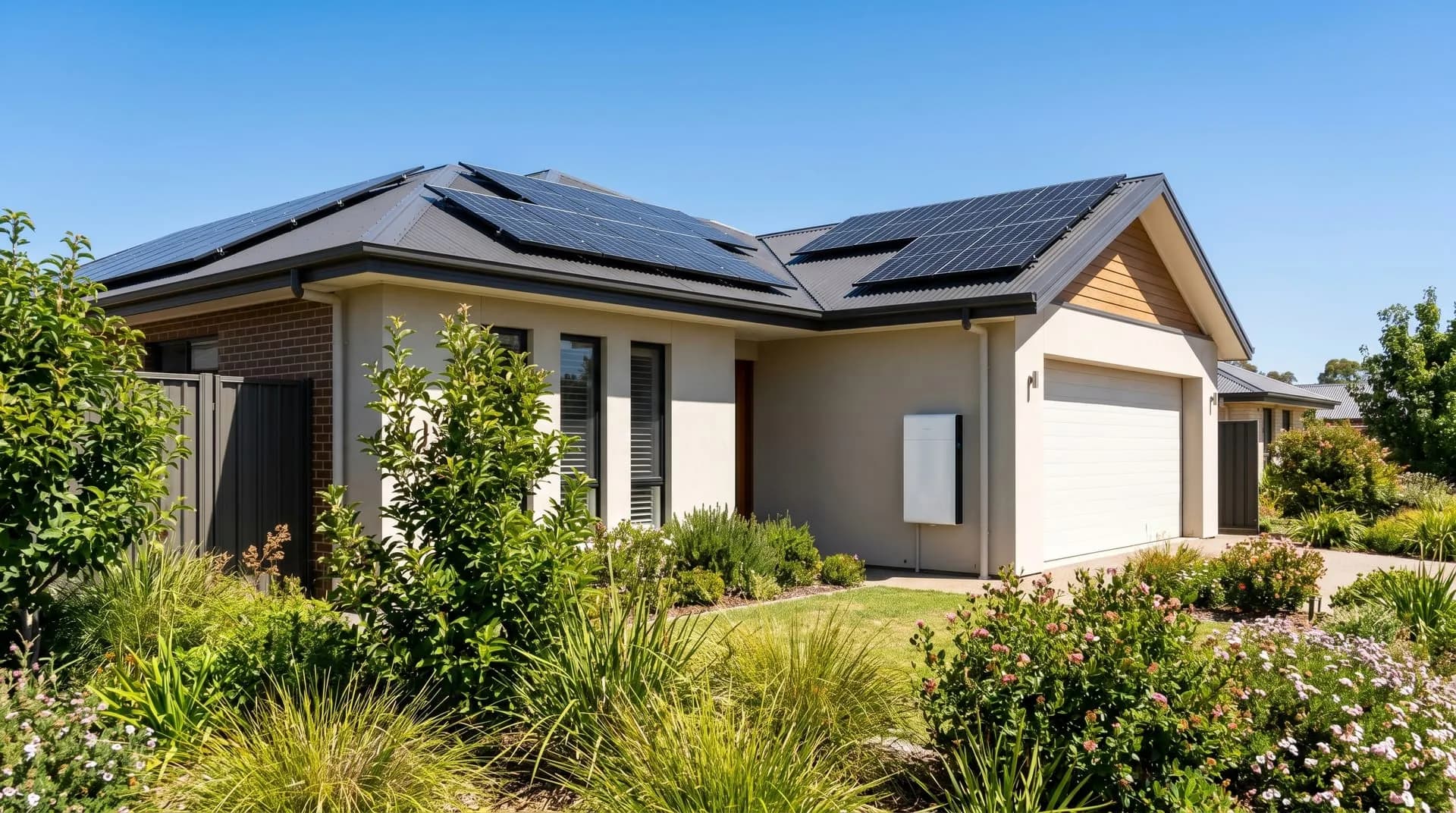
For most Adelaide homes with solar and significant evening power use, a solar battery is worth it in 2026. With South Australia's high electricity prices and feed-in tariffs of just a few cents, storing your own solar to use at night typically pays back a quality battery in around 7–11 years — often faster once the federal battery rebate is applied.
It's the question we're asked more than any other: are solar batteries actually worth it in South Australia? The short answer in 2026 is — for most Adelaide homes with decent daytime solar export and a typical evening power usage, yes. But the longer answer depends on your bill, your feed-in tariff and how you use power. This guide walks through the honest maths, the factors that matter most, and how to work out whether a battery is the right call for your home.
Why batteries stack up better in SA than anywhere else
South Australia has long had some of the highest electricity prices in the country, while feed-in tariffs — the amount you're paid for solar you export to the grid — have fallen dramatically. A few years ago you might have earned 15–20c for every kWh you sent back. Today many retailers pay only a few cents, and during the sunniest parts of the day some pay nothing at all because the grid is already flooded with cheap solar.
That collapse in the feed-in tariff is the single biggest reason batteries now make sense. Instead of exporting your excess solar for a few cents and then buying it back at night for 40c or more, you store it and use your own power after dark. The bigger the gap between what you're paid to export and what you pay to import, the faster a battery pays for itself — and in SA that gap is now very wide indeed.
There's a structural reason this won't reverse any time soon. South Australia regularly runs on more than 100% renewables during the day, which keeps daytime wholesale prices — and therefore feed-in tariffs — low, while the evening 'peak' when everyone gets home and the sun has gone remains expensive. A battery is essentially a way to shift your own cheap daytime energy into that expensive evening window.
What's the payback period on a battery in Adelaide?
For a typical Adelaide household installing a quality battery as part of a solar and battery package, payback periods in 2026 commonly land in the 7–11 year range, depending on system size, your usage pattern and available rebates. Homes with high evening usage — think air-conditioning, electric hot water, EV charging — see the fastest returns because they offset the most expensive grid power. With a federal battery incentive and the right setup, some households see that timeline shorten further.
Because quality batteries now come with 10-year warranties, a battery that pays for itself in, say, eight years then delivers several more years of essentially free stored energy on top. That's the part many people miss when they only look at the upfront cost — the savings don't stop the day the battery is paid off.
Rule of thumb: the more power you use after the sun goes down, the more a battery is worth to you.
The factors that decide whether a battery is worth it
No two homes get the same answer, because the value of a battery depends on a handful of variables that are specific to you. Before you decide, it's worth understanding what actually moves the needle.
- Your evening and overnight usage — the more you use after dark, the more grid power a battery offsets
- Your current feed-in tariff — the lower it is, the more valuable it is to store rather than export
- Your solar system size — you need enough daytime surplus to fill the battery
- Your import (peak) electricity rate — higher rates mean bigger savings from self-consumption
- Available rebates and incentives, which reduce the upfront cost
- Whether you join a Virtual Power Plant for additional ongoing value
A simple worked example
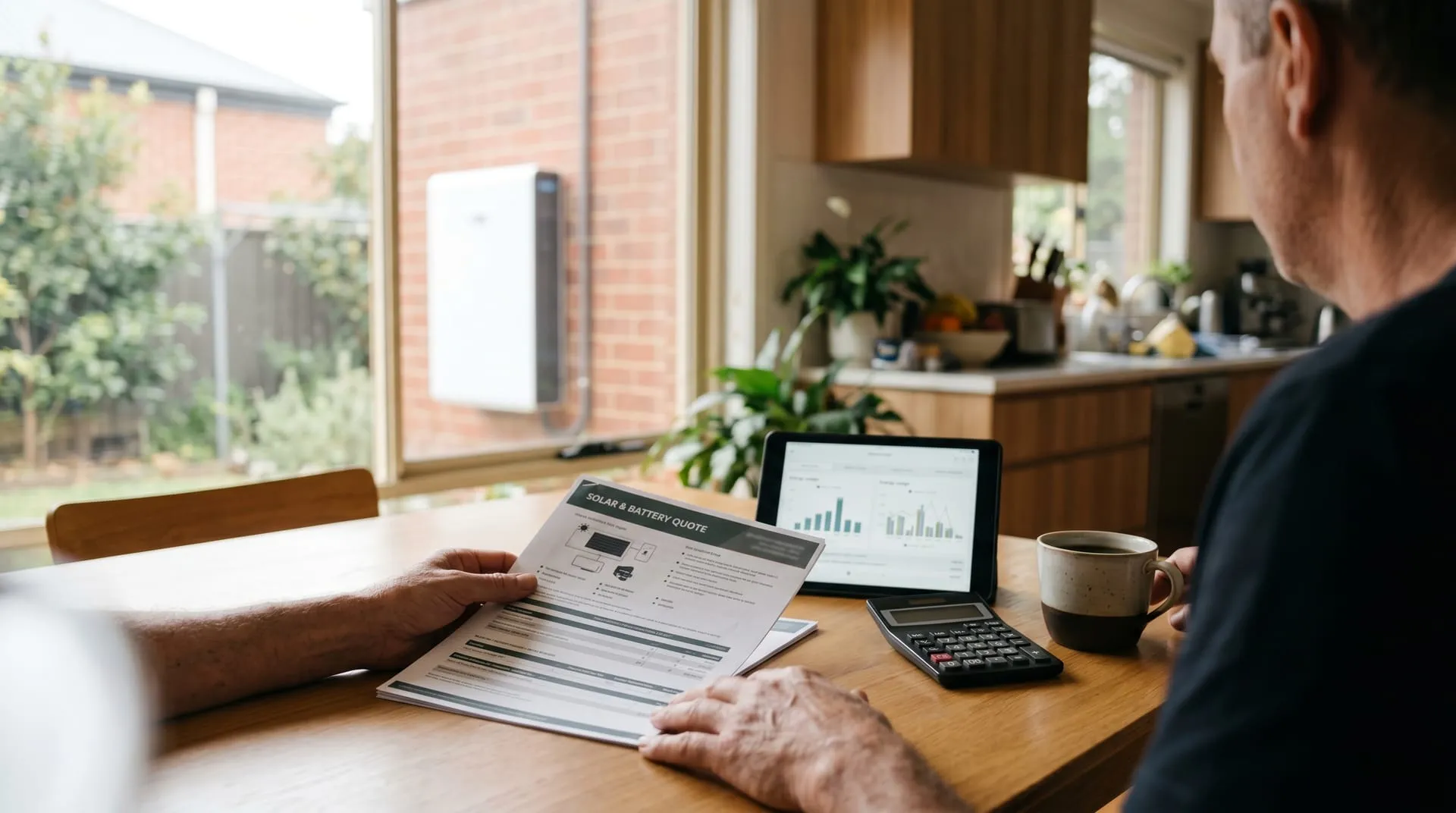
Imagine a household that exports 15kWh of surplus solar each day for a 5c feed-in tariff — that's 75c a day, or about $274 a year. Now imagine that same household instead stores that 15kWh and uses it in the evening, avoiding buying it back at 45c — that's $6.75 a day, or roughly $2,460 a year of avoided grid cost. The difference between exporting and self-consuming that energy is the heart of the battery business case, and it's why the maths has shifted so decisively in SA. Your real numbers will differ, but the principle holds: stored solar is worth far more than exported solar.
When a battery is — and isn't — worth it
A battery is usually worth it if you tick several of these boxes:
- You already have (or are installing) a solar system that exports surplus power
- Your evening and overnight power usage is significant
- You want backup power so blackouts don't take out your fridge, lights and Wi-Fi
- You're frustrated by rising bills and want long-term price certainty
- You're planning to stay in the home for the medium to long term
It's less compelling if you use almost all your power during the day while the sun is shining, have very low overall usage, or plan to move house in the next couple of years. In those cases we'll tell you straight — we'd rather give honest advice than oversell. Occasionally the right recommendation is to add more solar first, or to wait, and we're comfortable saying so.
The value of joining a Virtual Power Plant
Many SA battery owners can join a Virtual Power Plant (VPP), where your battery occasionally supports the grid in exchange for ongoing credits or a better energy deal. For some households this meaningfully improves the return on a battery; for others, keeping full control of their stored energy matters more. A VPP isn't right for everyone, but it's worth understanding because it can change the payback equation. We'll explain the trade-offs so you can choose what suits you rather than signing up to something you don't fully understand.
The non-financial value
Numbers aside, plenty of South Australians buy a battery for peace of mind. SA's grid has seen its share of outages — the statewide blackout of 2016 is still fresh in many memories — and keeping essential circuits running through a blackout has real value the spreadsheet doesn't capture. If you work from home, have medical equipment, or simply hate losing a freezer full of food, that resilience can be the deciding factor.
There's also the independence factor. Every battery owner we speak to talks about the satisfaction of watching their home run on its own stored sunshine, and of being less exposed to the next price hike. Reducing your carbon footprint with clean, self-generated energy is the cherry on top for many households.
Common mistakes that ruin the maths
The fastest way to make a battery 'not worth it' is to buy the wrong one. Oversizing means paying for capacity you never cycle; undersizing means you still buy expensive grid power every night. A cheap battery with a weak warranty or poor local support can cost you more over its life than a quality one. And a battery added to a solar system that's too small to fill it will sit half-empty. Getting the design right — sized from your real usage data — is what separates a great investment from a disappointing one.
How long will a battery last?
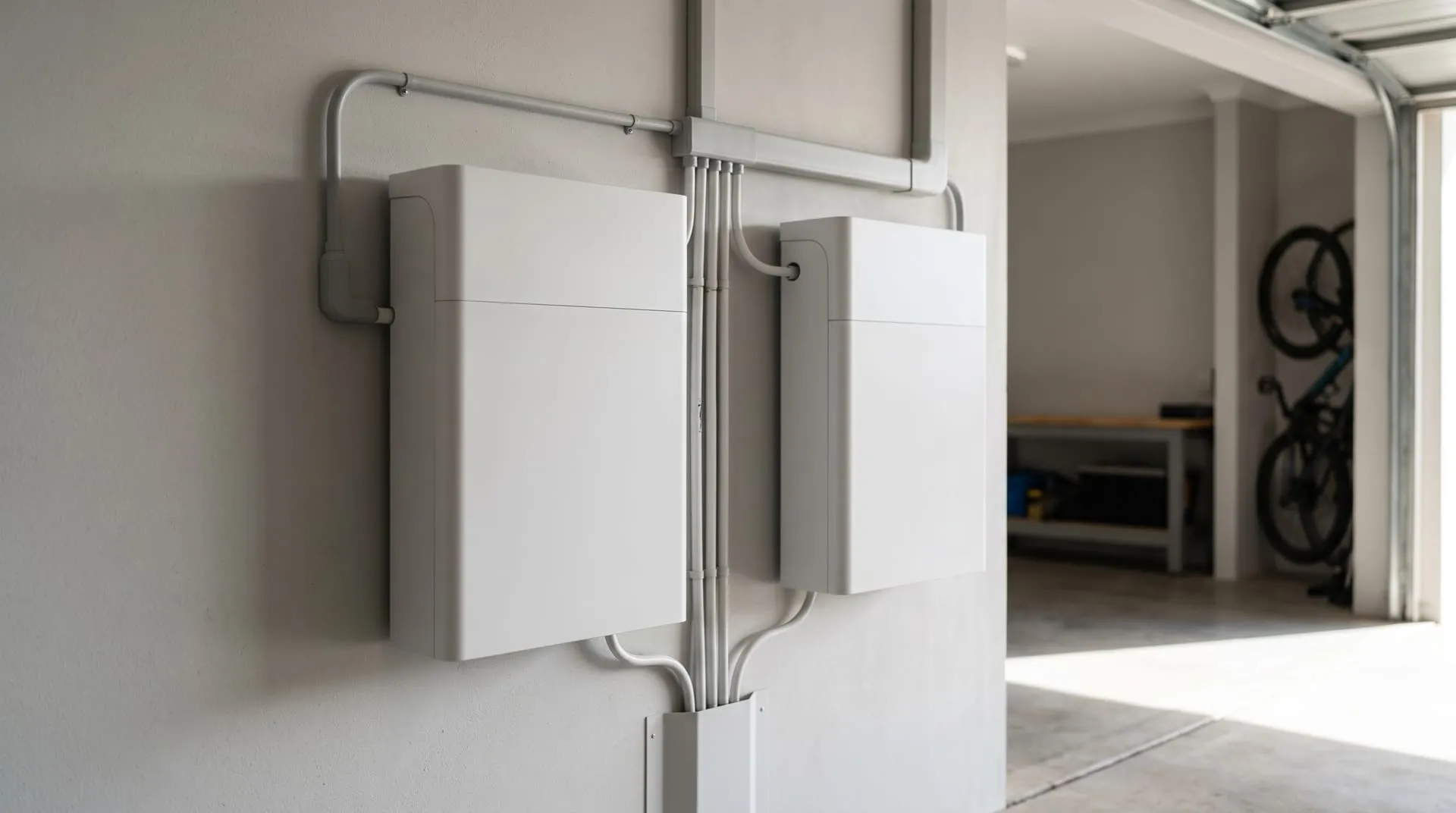
A quality home battery is built to be charged and discharged every day for many years. Most reputable batteries carry a 10-year warranty that guarantees a minimum retained capacity at the end of that term — typically still well over half their original storage. In practice, a good lithium iron phosphate battery cycled once a day will comfortably see out its warranty and often keep performing usefully beyond it. That long life is central to the value case: a battery that pays for itself in eight years and then keeps saving you money for years afterwards is a very different proposition to one you have to replace early. It's also why a strong warranty from a company that will still exist to honour it matters as much as the headline price.
Does a battery add to your home's value?
Energy efficiency increasingly shows up in what buyers will pay. A home with solar and battery storage offers a tangible benefit — lower running costs and blackout resilience — that's becoming a genuine selling point as power prices climb and more buyers look for it. While the size of any value uplift varies, a well-installed, quality system from a recognised brand is an asset rather than a liability, and it differentiates your home in a market where energy costs are front of mind. Even if you're not selling soon, you get the savings and resilience in the meantime, which makes it one of the rare home improvements that pays you while you live in it.
So, are they worth it?
For the majority of Adelaide and South Australian homes with solar and meaningful evening usage, a correctly sized, quality-installed battery is worth it in 2026 — and the case keeps getting stronger as feed-in tariffs fall and incentives improve. But the only way to know for sure is to run your own numbers. We'll model your actual bill and usage and show you the honest payback before you spend a cent. Request a free quote and we'll do the maths for you.
Get a free, honest quote
We'll model your real usage and show you the genuine savings before you spend a cent.